What Should Be In A School First Aid Kit?
Accidents and illnesses can happen at any time in a school environment. From playground scrapes and sports injuries to nosebleeds and more serious incidents, having a properly stocked first aid kit is essential.
But what exactly should be in a school first aid kit?
In this guide, we'll explain the recommended contents of a school first aid kit, additional items schools may wish to consider, and how to ensure your first aid supplies remain ready for use when needed.
Is There A Legal Requirement For School First Aid Kits?
Schools in the UK have a duty to provide adequate and appropriate first aid equipment, facilities and trained personnel.
While there is no single legally prescribed list of contents for every school first aid kit, the supplies available should be based on the school's first aid needs assessment.
Factors to consider include:
Number of pupils and staff
Age of pupils
School activities and sports provision
Educational visits and trips
Pupils with known medical conditions
Distance from emergency medical services
The contents of your first aid kits should reflect the risks present within your school environment.
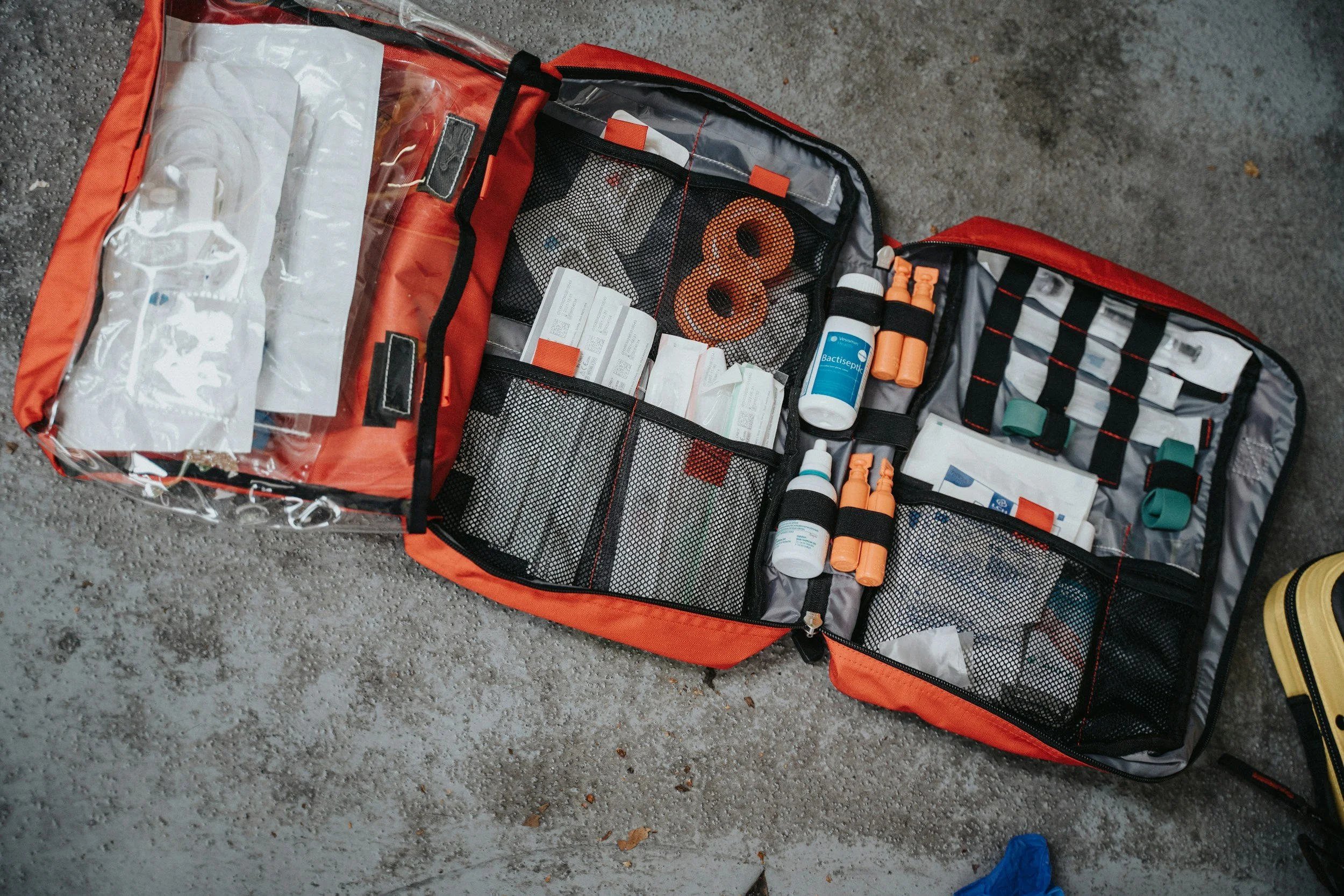
Essential Items For A School First Aid Kit
A typical school first aid kit should include:
Adhesive Dressings (Plasters)
A selection of plasters in various sizes for covering minor cuts, grazes and abrasions.
Sterile Dressings
Sterile wound dressings help control bleeding and protect injuries from contamination.
Triangular Bandages
Useful for supporting injured arms, creating slings and securing dressings.
Roller Bandages
Suitable for securing dressings and providing support to injured limbs.
Eye Pads
Sterile eye pads can be used to cover and protect an injured eye.
Disposable Gloves
Nitrile gloves help reduce the risk of cross-infection when treating casualties.
Cleansing Wipes
Alcohol-free cleansing wipes can be used to clean around minor wounds.
Adhesive Tape
Medical tape helps secure dressings and bandages.
Scissors
Blunt-ended scissors allow bandages and dressings to be cut safely.
Safety Pins
Useful for securing bandages and slings.
Foil Blanket
Emergency foil blankets can help maintain body temperature following illness, injury or shock.
Resuscitation Face Shield
A CPR face shield provides a barrier device during resuscitation.
Additional Items Schools May Wish To Include
Many schools choose to supplement their standard first aid kits with additional items based on their environment and activities.
These may include:
Instant cold packs for sports injuries
Extra large trauma dressings
Finger dressings
Burn dressings
Saline eye wash pods
Tick removal tools for outdoor settings
Catastrophic bleed control equipment
Accident report forms
Schools with extensive sports programmes or large outdoor areas may benefit from enhanced kits.
Should Schools Carry Tourniquets And Bleed Control Kits?
In recent years, some schools have chosen to introduce catastrophic bleed control kits.
These may contain:
Tourniquets
Haemostatic dressings
Trauma dressings
Protective gloves
Although not currently required in all schools, some organisations choose to provide this equipment where risk assessments identify potential benefits.
Staff should always receive appropriate training before using specialist equipment.
What About Medication?
School first aid kits should not normally contain medicines.
However, schools may have separate arrangements for managing:
Adrenaline auto-injectors (such as EpiPens)
Salbutamol inhalers for emergency asthma treatment
Individual pupil medications
Schools should have clear policies and procedures covering the storage and administration of medication.
Where Should First Aid Kits Be Located?
A single first aid kit stored in the school office is unlikely to be sufficient for larger schools.
Many schools choose to position kits in:
Reception areas
Staff rooms
Sports halls
Science laboratories
Design technology classrooms
School kitchens
Playground supervision points
School minibuses
Educational visit bags
First aid equipment should be easily accessible and clearly identified.
How Often Should School First Aid Kits Be Checked?
First aid kits should be inspected regularly to ensure they remain fully stocked and in good condition.
Schools should:
Check kits monthly
Replace used items promptly
Remove damaged packaging
Monitor expiry dates
Record inspections
A simple checklist can help ensure nothing is overlooked.
Common Mistakes Schools Make
Some of the most common issues identified during school first aid audits include:
Expired Supplies
Dressings, eye wash and other sterile items should be replaced when they reach their expiry date.
Missing Gloves
Gloves are frequently used and often forgotten during restocking.
Poor Kit Locations
First aid kits should be easy to access during emergencies.
Lack Of Staff Familiarity
Staff should know where kits are located and what equipment they contain.
First Aid Equipment Is Only Part Of The Solution
Having a well-stocked first aid kit is important, but equipment alone cannot respond to an emergency.
Schools should ensure staff receive practical first aid training so they can confidently deal with incidents such as:
Cardiac arrest
Choking
Severe bleeding
Asthma attacks
Anaphylaxis
Seizures
Head injuries
Training helps ensure equipment is used effectively when it matters most.
School First Aid Training In London And The South East
At Life Force First Aid, we provide practical and engaging first aid training for schools throughout London and the South East.
Our courses help teachers and support staff develop the confidence and skills needed to respond to emergencies in educational settings.
Whether you're reviewing your school's first aid provision, training new staff or looking to improve emergency preparedness, we're here to help.
Contact Life Force First Aid today to discuss your school's first aid training requirements.
