7 Medical Emergencies Every Door Supervisor Should Be Prepared For
Door Supervisors are often viewed as the people who manage conflict and maintain order. However, many security professionals spend just as much time responding to medical emergencies as they do dealing with disorderly behaviour.
Understanding how to recognise and respond to common medical emergencies can make a significant difference to outcomes.
Here are seven situations every Door Supervisor should be prepared for.
1. Cardiac Arrest
Cardiac arrest can affect anyone, regardless of age.
Signs include:
Unresponsiveness
Absent or abnormal breathing
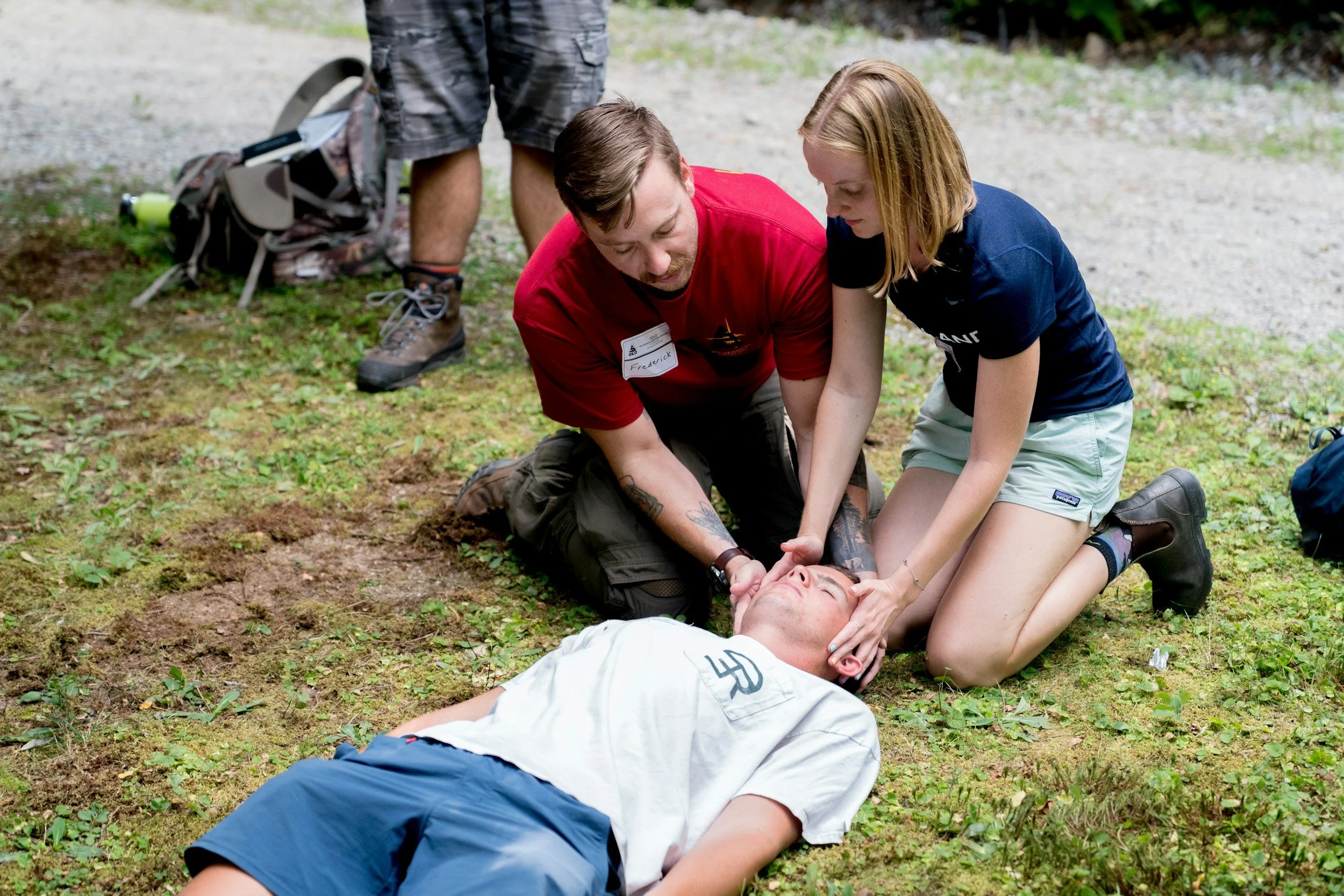
Immediate CPR and early use of a defibrillator can dramatically improve survival rates.
2. Severe Bleeding
Violence, broken glass and accidents can all result in life-threatening bleeding.
Door Supervisors should know how to:
Apply direct pressure
Use dressings effectively
Recognise catastrophic bleeding
Escalate appropriately
3. Choking
Restaurants, bars and event venues all present choking risks.
Quick intervention can often prevent a complete airway obstruction becoming fatal.
4. Drug Overdose
Security staff frequently encounter individuals affected by recreational drugs.
Warning signs may include:
Reduced consciousness
Breathing difficulties
Seizures
Unresponsiveness
Prompt recognition and activation of emergency services are essential.
5. Alcohol-Related Collapse
Excessive alcohol consumption can cause:
Vomiting
Loss of consciousness
Airway compromise
Understanding recovery position techniques can help protect the casualty until help arrives.
6. Head Injuries
Falls, assaults and accidents often result in head injuries.
Door Supervisors should understand when medical assessment is required and recognise warning signs such as:
Confusion
Persistent headache
Vomiting
Loss of consciousness
7. Seizures
Witnessing a seizure can be alarming.
First aid training teaches staff how to:
Protect the casualty from injury
Time the seizure
Reassure the casualty following recovery
Identify when emergency assistance is required
Why Security Professionals Should Refresh Their Training
Medical emergencies evolve, and skills can fade over time.
Regular first aid training helps Door Supervisors:
Maintain confidence
Keep skills current
Meet industry expectations
Improve casualty outcomes
First Aid Courses for Door Supervisors
Life Force First Aid delivers Emergency First Aid at Work courses suitable for Door Supervisors, Security Guards and Event Security Staff across London and the South East.
Whether you need first aid training to begin your Door Supervisor qualification or simply want to refresh your skills, our practical courses provide the knowledge and confidence needed to respond effectively in an emergency.